Halloween is upon us. Now, if that news elicits nothing more than an eye roll, I don’t blame you. American culture co-opted this festival in the early 20th century, and nowadays, much of the Anglosphere regards it as a vulgar, wasteful commercial holiday.
But the last evening in October is a deeply-rooted and often sombre tradition in many European cultures. Known variously as All Hallows Eve, Forefathers Eve, Samhain and more, it marks an important date that deserves to be remembered.
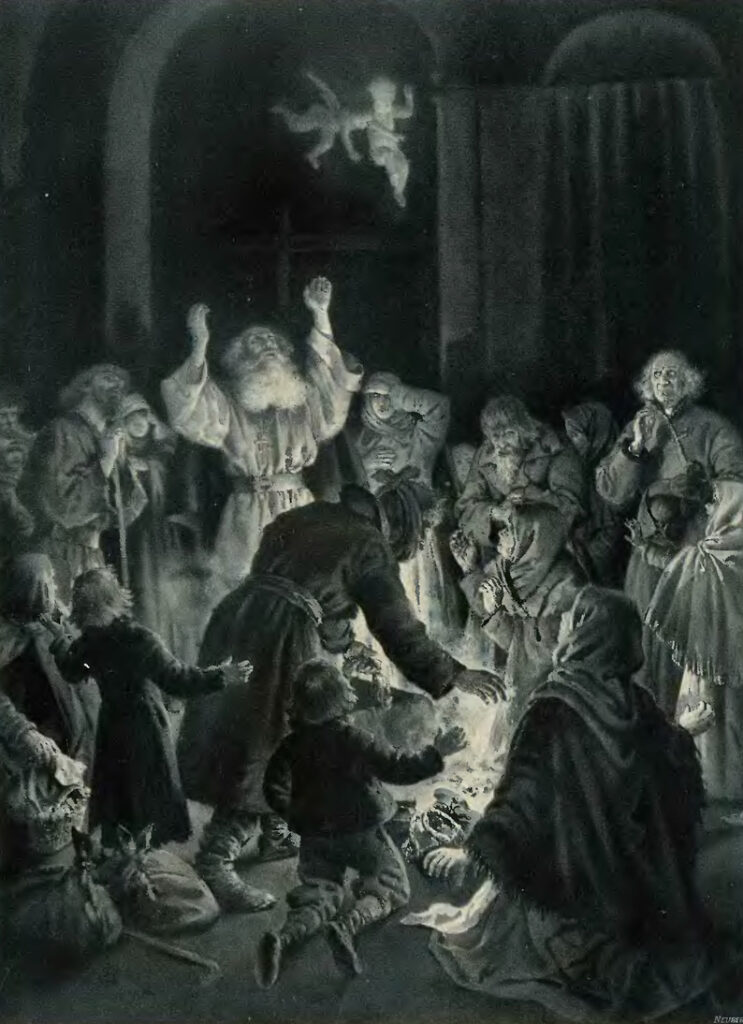
In Slavic traditions, such as in Poland, Dziady (Forefather’s Eve) is a pagan custom where people communed with the spirits of the dead. Rituals generally took place at grave sites where participants brought a dish for a potluck feast! (so, not all sombre then!) Fires were lit to keep the spirits of one’s ancestors warm – and other fires made to keep away the vengeful ghosts of those who had died violent deaths – restless revenants who were believed to torment the living. Food was offered to deceased loved ones, and families would reminisce about their lives around the fire.
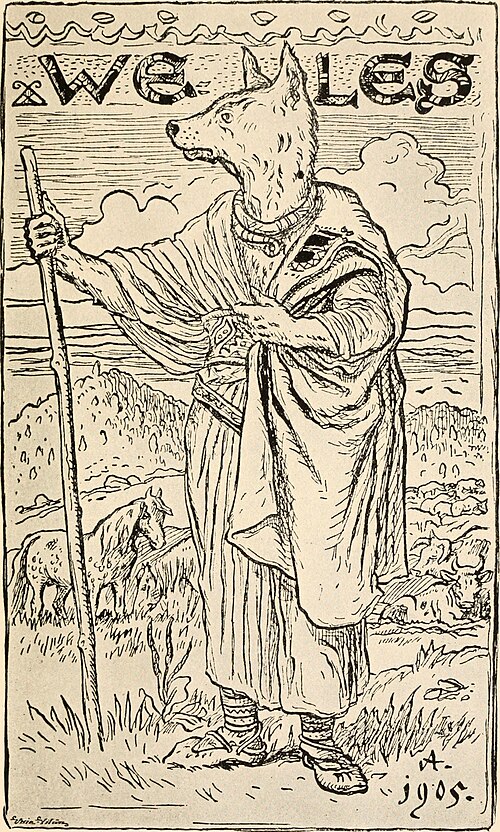
The Slavic god of the underworld Veles is also venerated on October 31, especially in East Slavic countries like Ukraine and Russia. The ancestor cult is prominent in this celebration as well, in addition to divination and other rituals such as a taboo on lending money, letting strangers into the house, and going outside after dark. According to recent historical analysis, Veles Night does not appear to be rooted in ancestral tradition, but may have been borrowed from October 31 customs in nearby countries.
In some regions of Germany, October 31 is a public holiday. It’s not due to All Hallows Night, but rather to mark Reformation Day, the date when Martin Luther nailed his 95 theses to the door of the Castle Church, thus marking the start of the Reformation. The pagan significance of this night stems from the Celtic influence across large parts of Germany. This is Samhain, the ‘dying’ of the Celtic year and the harvest, the start of the ‘dark’ months of winter. But for those of us in the southern hemisphere wanting to connect with our cultural traditions, this poses a problem. There is a contextual mismatch with this and many other seasonal celebrations, as it is spring in October here, not autumn.
There is of course a strong Nordic influence on northern German regions, and again, their October 31 customs involve veneration of the dead and harvest traditions like the Kekri. Specifically, many Nordic communities observed the Viking celebration of Álfblót – an offering to the elves, whose magic was linked to ancestral workshop. The word translates literally to ‘elf ritual’. Outsiders were not permitted to witness the event, so it is still largely shrouded in mystery, however, an account of the custom in recorded in the poem ‘Austrfaravísur’ written by the Icelander Sigvatr Pórdarson in 1019.
Many Europeans still observe (or have revived) these traditions, especially in rural areas, and I believe there is a compelling case for doing so in the present day as a Euro-descended person. Living in a (western) world where a relentless emphasis on productivity and consumerism is the norm, it is a powerful act to spend an evening contemplating where you come from, how your ancestors lived, and how their choices influenced where you are today.
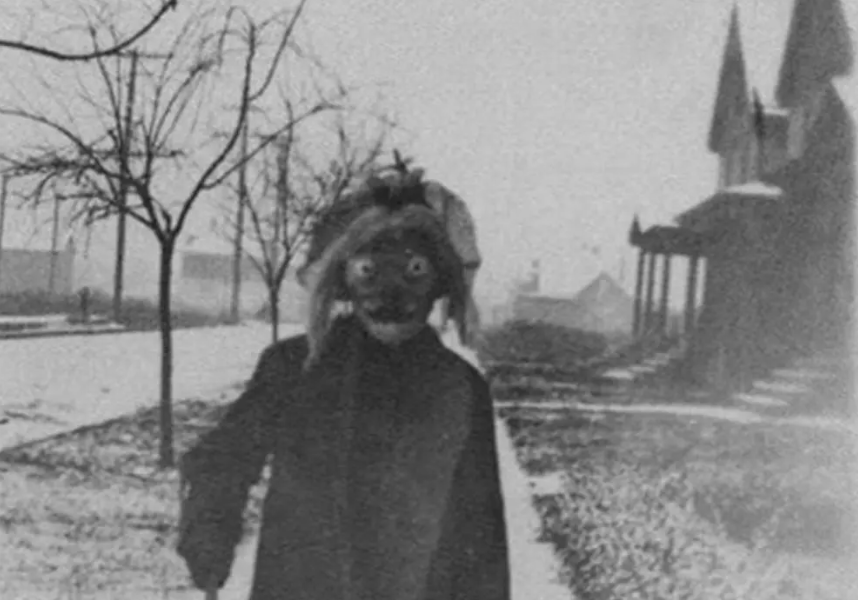
So when you next walk past the Halloween display of trashy plastic masks, skeletons and skulls at the supermarket, remember the deeper meaning of October 31 – an invitation to engage with the past, and your place in the world.


Leave a Reply